Top 8 AC Problems Tampa Homeowners Report Every Winter
Published: 2026-10-17 · By PolarEdge AC Repair Tampa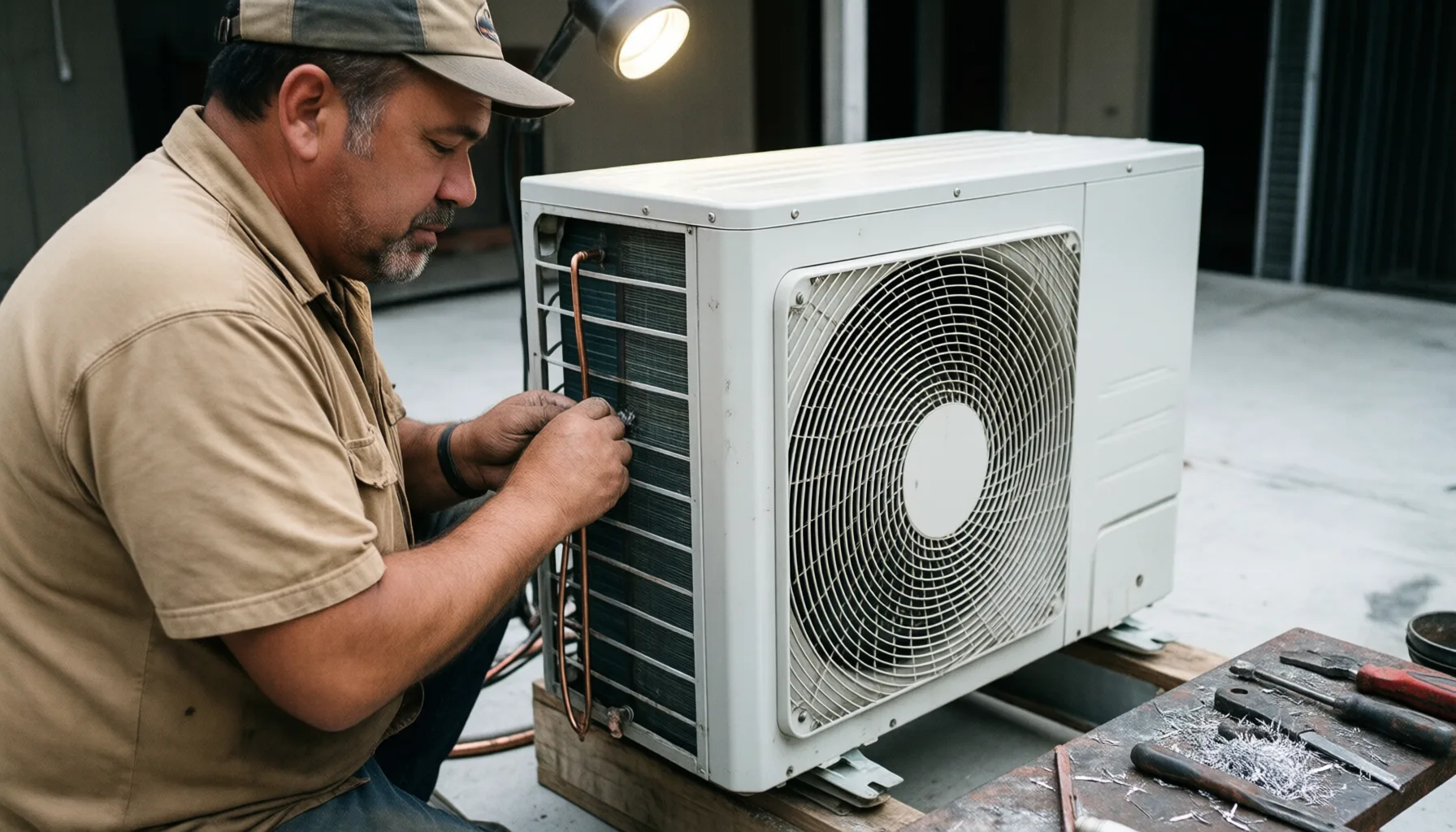
As winter rolls into Tampa, many homeowners are surprised to find their air conditioning units running into unexpected issues. While you may not think about your AC system much during the cooler months, the unique climate of our area supports a variety of problems that can come back to haunt you post-winter. Humid conditions combined with salt air corrosion can wreak havoc on your unit, leading to repairs that could have dire consequences for your comfort and finances.
Why This Matters for Tampa Homeowners
In Tampa, air conditioning isn't just a luxury; it's a necessity, even in winter. Many homeowners report problems with their units as the seasonal humidity changes. Broken fans can lead to inefficient cooling, and issues with refrigerant levels might cause your system to operate ineffectively. With lingering moisture, mold and mildew accumulate, creating an unhealthy indoor environment.
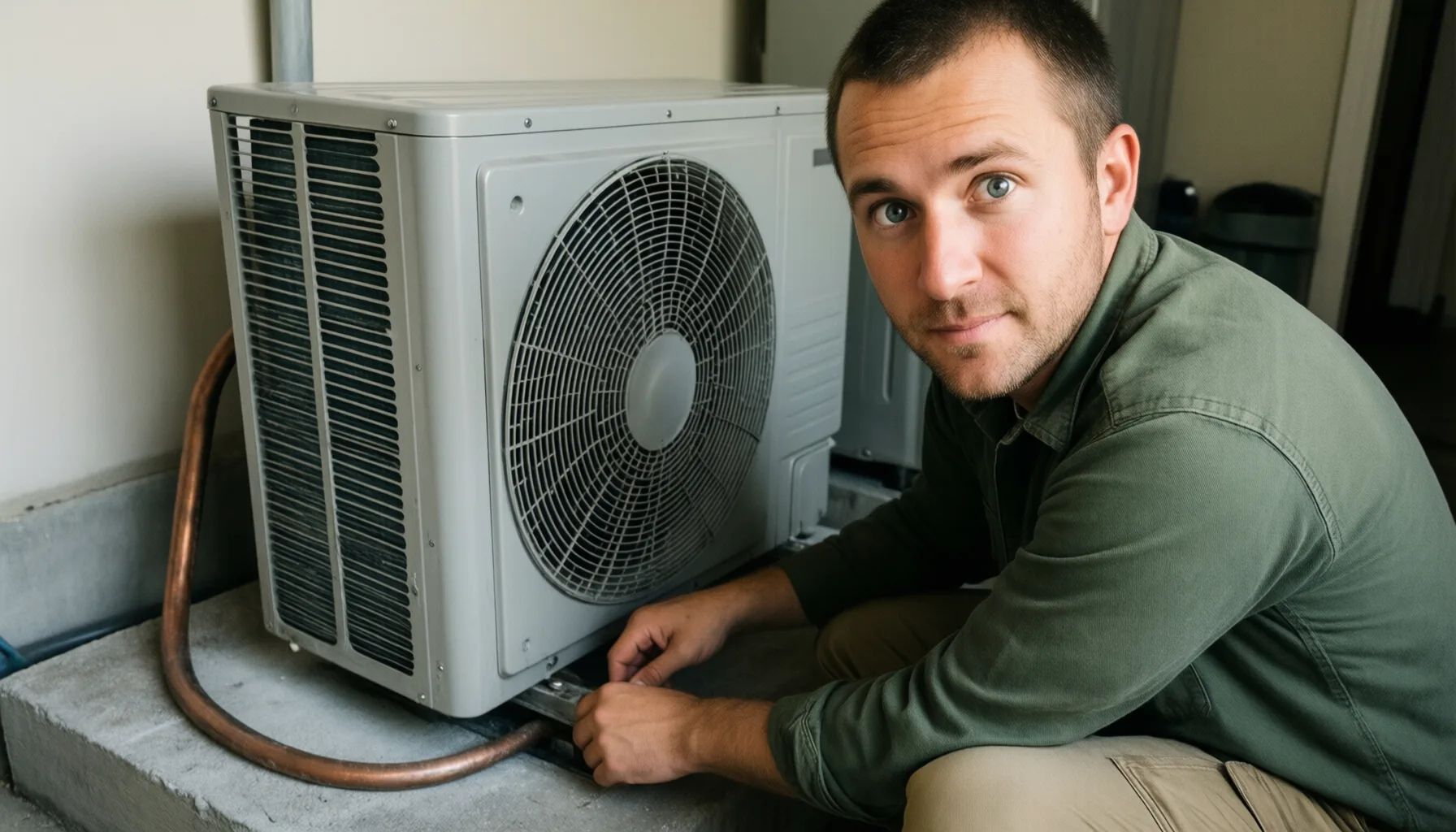
Moreover, tropical storms can take their toll on outdoor units, especially if debris causes physical damage or if flooding occurs. Salt and high humidity can accelerate corrosion on metal components, weakening the structural integrity of your AC unit.
Ultimately, if you spot problems early, you can avoid a crisis when the warmer months return. Understanding common issues that arise in winter will help you and your property survive until spring.
Expert Solutions & Actionable Tips
1. Check for Refrigerant Leaks
Low refrigerant levels can dramatically diminish your AC's performance. In a humid climate like Tampa's, leaks can lead to system failure. Keep an eye out for signs of oil around your unit which could indicate a leak. If found, expect repair costs to range from $150 to $300. Addressing this promptly can save you from a larger breakdown later.
2. Inspect Drain Lines Regularly
Clogged drain lines are common in Florida's humidity and can cause water build-up, leading to leaks inside your home. You can unclog these yourself or call a professional if necessary. DIY maintenance could cost around $50, while a professional service might be $100 or more, but can prevent costly water damage.
3. Clear Debris from the Unit
Overhanging vegetation, especially during winter storms, can lead to debris accumulating around your AC unit. This can block airflow and lead to overheating. Make it a habit to clear debris regularly to maintain efficiency. Schedule a thorough cleaning at least once a year from a professional; budget about $75 for that service.
4. Monitor for Unusual Noises
Listen for banging, hissing, or grinding noises, which can signal mechanical problems. These issues should not be ignored; they may escalate quickly and could cost anywhere from $100 to $500 to fix, depending on the nature of the repair.
5. Regular Inspections Before Summer
Schedule an annual inspection to ensure all components are working efficiently. Local professionals can provide this service for $150 to $300. This proactive approach ensures you won't face unexpected breakdowns when you need cooling the most.
6. Consider Upgrades if Aging
If your unit is over a decade old, start considering replacements or significant upgrades. The cost of new systems can range from $4,000 to $8,000, so it’s crucial to factor long-term efficiency savings against potential repair costs.
Tampa Climate & Local Context
Tampa's tropical climate can be both a blessing and a curse for homeowners. While we enjoy sunny weather much of the year, the high humidity poses unique challenges for air conditioning systems. Elevated homes often incorporate moisture barriers, but these features can be undermined by consistent salt air, which affects metal working components. Owning a property in this setting typically means being proactive about maintenance.
Additionally, local codes require proper installation of air conditioning systems in homes, especially to withstand the effects of strong winds and storms. It's important to ensure your unit conforms to these regulations not only for efficiency but for safety as well.
When to Call a Professional
While some maintenance tasks can be handled by homeowners, others require technical knowledge best left to professionals. Knowing the difference can save both time and costly repairs. Simple tasks like changing air filters or cleaning debris can be managed with little effort.
- If you hear unusual noises from your unit
- If your AC unit is leaking
- If the temperature in your home doesn't match the thermostat
- If you notice a burning smell
- If the unit suddenly shuts off
These scenarios often require immediate attention from a qualified technician. Waiting too long may lead to more extensive damage or higher repair costs.
Frequently Asked Questions
What are the warning signs that my AC needs repair?
Common signs include strange noises, inconsistent cooling, or water pooling around your unit, all of which need prompt attention.
How often should I get my AC serviced?
In Tampa’s climate, aim for at least annual maintenance to keep your system running efficiently amidst humidity.
Is it worth repairing an old AC unit?
If your system is frequently breaking down and repair estimates exceed half the cost of a new unit, consider replacing it.
Can I repair my AC unit myself?
Basic tasks like filter changes can be DIY, but complex repairs should be handled by professionals to avoid safety risks.
What is the emergency response time for repairs?
PolarEdge AC Repair Tampa typically responds quickly to urgent repair requests, ensuring your needs are prioritized.
Get Expert Air Conditioning Repair Service in Tampa
If you're facing air conditioning issues in your Tampa home this winter, don’t hesitate to reach out. A quick call to (656) 254-5635 connects you with PolarEdge AC Repair Tampa, where skilled professionals are ready to help safeguard your home’s comfort.
Preserve your peace of mind this winter by taking action early. The right help is just a call away!