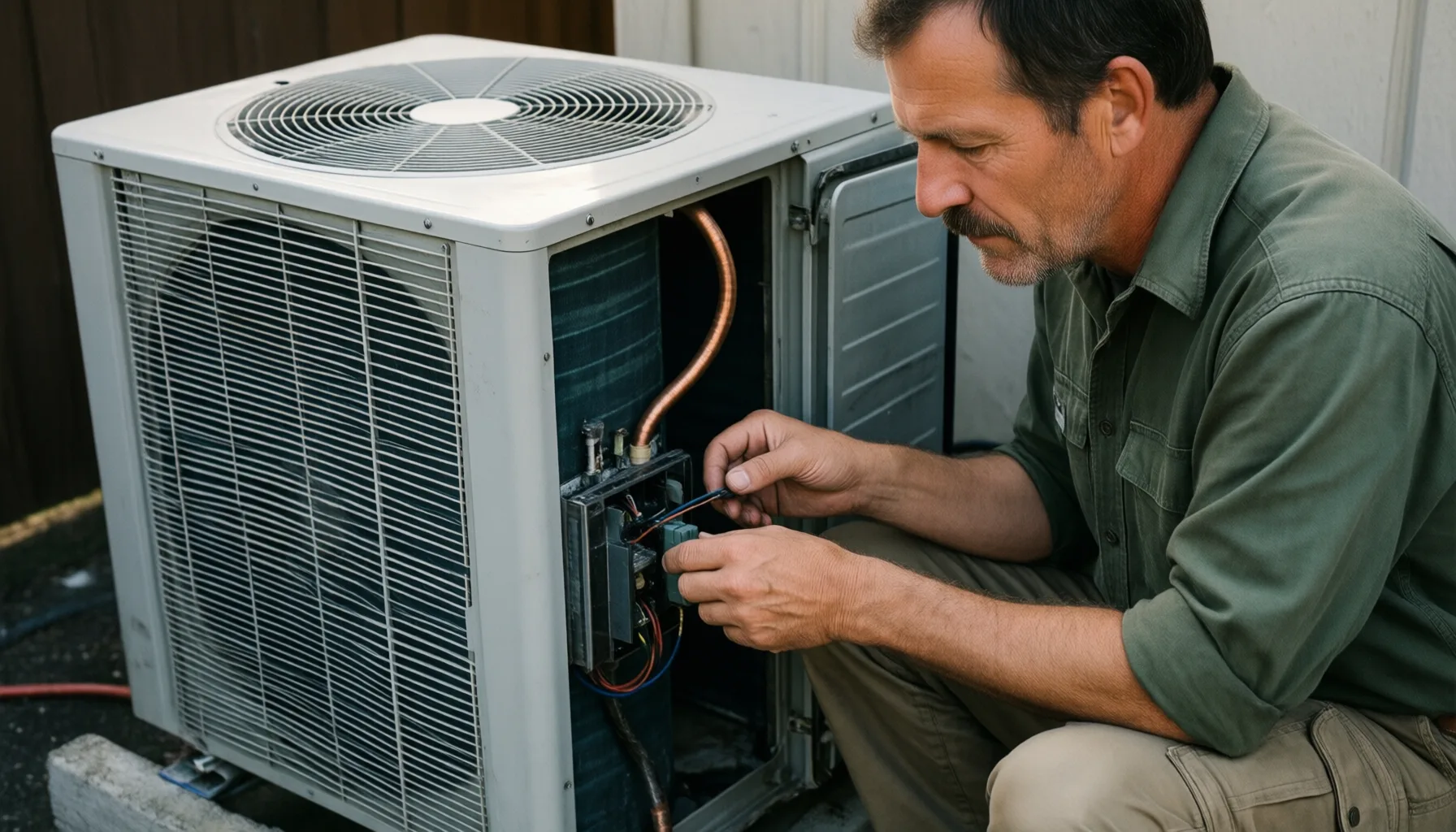
8 Quick Fixes Before Calling Air Conditioning Repair in Tampa
Published: 2026-10-17 · By PolarEdge AC Repair Tampa
Imagine it’s a sweltering summer day in Tampa, and your air conditioning unit suddenly sputters to a stop. With the extreme heat and humidity characteristic of our beautiful city, you often can’t afford to be without cool air. This predicament is not only uncomfortable but can also jeopardize the structural integrity of your home. Before you pick up the phone to schedule a repair, there are some quick checks you can do to potentially resolve the issue yourself.
Why This Matters for Tampa Homeowners
As a Tampa homeowner, you are likely all too familiar with the relentless heat, high humidity, and the salt air from our coastal climate, which can wreak havoc on your air conditioning system. From tropical storms to hurricanes, our weather contributes to additional strain on cooling units, leading to frequent breakdowns. Not having a functional AC during the hottest months can be a serious challenge, especially for families with children or elderly residents.
Furthermore, houses in Florida often incorporate moisture barriers and are elevated to mitigate flooding risks. This means that any malfunction in your AC can potentially lead to further complications, such as mold growth or property deterioration, which can be much more costly to fix in the long run.
It’s essential to understand the common indicators of AC problems and how to troubleshoot some of them before calling a professional. The sooner you can identify the issue, the sooner you can return to enjoying a comfortable home.
Expert Solutions & Actionable Tips
1. Check the Thermostat Settings
The first thing to verify is your thermostat. It may seem trivial, but a misconfigured thermostat can easily lead to cooling issues. Ensure it's set to 'cool' and that the desired temperature is lower than the current room temperature. This simple step often resolves many minor inconveniences.
If the thermostat is battery-operated, check the batteries and replace them if necessary. Non-functioning batteries can lead to misleading temperature readings, making it seem like your system isn’t working when it actually is.
2. Inspect the Air Filter
A clogged air filter can significantly hinder your system's performance. Check your air filter to see if it's dirty or blocked. In most cases, replacing the air filter can improve airflow and efficiency. New filters can cost anywhere from $10 to $40 and should be replaced every 1-3 months, depending on usage.
If the filter is beyond cleaning, swap it out for a new one. Regular maintenance of your filter can prevent higher energy bills and unit strain during the humid Tampa summers.
3. Look for Blockages Around the Unit
Sometimes, the simplest issue involves obstructions near your outdoor AC unit. Clear away debris, branches, or dirt that may have accumulated. This is especially important given Tampa's proximity to salt air, which can cause rust and impede airflow.
Ideally, maintaining a clear zone of at least two feet around your outdoor units can help promote efficiency and prevent potential issues down the line, particularly during hurricane season when debris can easily accumulate.
4. Drain Line Maintenance
Your air conditioning unit comes equipped with a drain line that directs condensation away. Check for clogs in the drain line, as this can lead to backups and water damage. You can use a wet/dry vacuum to remove any blockages.
Cleaning out the drain line ensures your system runs smoothly, especially with the level of humidity we see most of the year here in Tampa, where clogged lines can lead to further damage to your cooling system and potential flooding in your property.
5. Monitor for Unusual Noises
Pay attention to any strange sounds like banging, clattering, or screeching that your air conditioner may emit during operation. Sometimes, loose screws or external objects can create these noises, and addressing them early can prevent more significant failures.
If the noises persist, this could indicate a mechanical issue, which may require professional assistance. Keeping an ear out for these sounds can ultimately save you time and money regarding AC repairs.
6. Seal Ductwork
Check your ductwork for leaks or gaps, as these can significantly diminish your AC's efficiency. A simple method to detect leaks is to feel for airflow near duct joints and seams. If you find anything, consider using duct tape as a quick fix.
This is crucial in Tampa because any air lost through leaks results in higher energy bills and less effective cooling. Take this step to ensure your home remains comfortable and energy-efficient during the hot months.
Tampa Climate & Local Context
Tampa's tropical climate presents unique challenges for air conditioning systems. High humidity levels not only require robust cooling solutions, but they also necessitate consideration of moisture barriers in homes. Elevated homes are a common design in the area to counteract flooding from heavy rains or hurricanes, which means property owners need to take extra precautions to maintain their AC units.
In this vibrant city, understanding local building codes is essential when undertaking any repairs or construction related to HVAC systems. These codes often dictate the materials used and the installation of equipment, ensuring safety standards that developers and homeowners must adhere to.
When to Call a Professional
While many small AC issues can be handled with a bit of DIY effort, some situations clearly warrant a call to a professional. It’s important to recognize when to make that decision for your safety and to ensure efficient repairs.
- Persistent AC noises that will not stop
- Leaks around the unit or ducts
- Inconsistent cooling in various rooms
- Strong, unusual odors when the unit is running
- Excessive ice buildup on the evaporator coils
- Ineffective temperature regulation
- Unit frequently turns on and off (short-cycling)
Addressing these issues promptly can save you from more significant repair costs or even unit replacement down the line.
Frequently Asked Questions
What should I do if my air conditioner stops working during a storm?
If your air conditioner stops working during a storm, first ensure safety by avoiding flood areas around the unit. Wait until the storm subsides and check your unit for visible damage before attempting to restart it.
How often should I replace my AC filters?
You should replace your AC filters every one to three months, depending on usage and local pollen levels, particularly in Tampa's humid environment.
Is it worth getting my AC system inspected annually?
Yes, annual inspections can reveal small issues before they turn into larger problems, making them an investment in both efficiency and longevity of your AC system.
Can humidity affect my air conditioning system?
Absolutely! High humidity levels can place added stress on your air conditioning, affecting its efficiency and longevity, especially in humid climates like Tampa.
What is the average cost of AC repair in Tampa?
The average cost of AC repair in Tampa typically ranges from $100 to $500, depending on the severity of the issue and parts needed.
Get Expert Air Conditioning Repair Service in Tampa
If you continue experiencing issues with your air conditioning despite these tips, don't hesitate to reach out to PolarEdge AC Repair Tampa. We're here to help ensure your home stays comfortable, no matter the weather.
Call (656) 254-5635 today to let our experts handle your air conditioning needs in Tampa, so you can enjoy the comfort of your home without interruption.